
Navigating Faith, Doubt, and End-of-Life Concerns During Later Years
If you have been questioning beliefs that once felt unshakable, you’re not alone. The aging process brings a unique set of spiritual challenges that can leave faithful individuals wrestling with doubt. There are certain times when these end-of-life concerns surface: when daily life is marked by the onset of physical limitations, the loss of loved ones, or the reality of mortality, faith and doubt become a bigger focus.
The tension between doubt and faith during the later years doesn’t portray a spiritual failure. It reflects the complex reality of being human while trying to maintain a faithful relationship with God. The intensity of the struggle heightens when you’re facing inevitable changes that occur in the natural aging process. You can gain wisdom and peace when you understand how these various challenges connect as you navigate this season of life.
Do not cast me off in the time of old age; forsake me not when my strength is spent. – Psalm 71:9, ESV
How Physical Changes and End-of-Life Concerns Connect to Spiritual Questioning
Each change in your body can create a domino effect that touches every area of spiritual life. Arthritis can make turning Bible pages difficult during Bible study, and chronic body pain can make it difficult to sit for long periods at a time.
Both physical situations can make you feel as though there is a barrier between you and God. It’s not just a simple issue of inconvenience. For decades, your body has been the vessel for worship, service, and other faith practices.
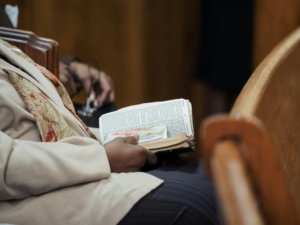 This physical decline often triggers questions about God’s presence. Questions you may have never considered before are now thoughts regarding your faith. One of the common questions you may have is why God is allowing the suffering, or whether your relationship with Him has diminished because of reduced capacity for spiritual activities.
The fatigue that comes with aging can cause issues, leading to frustration and discouragement when concentration in worship feels impossible.
Physical limitations and spiritual doubt are connected, in particular, when dealing with end-of-life concerns. You feel like you’re weakening body is a constant reminder of mortality, which intensifies fear about death and what’s to come. These physical changes force a confrontation with theological questions about suffering, divine purpose, and the nature of God’s love that you understand but never experienced.
So we do not lose heart. Though our outer self is wasting away, our inner self is being renewed day by day. – 2 Corinthians 4:16, ESV
How Loss Experiences Link to Faith Foundations
The link between spiritual questioning and grief becomes more complex as you age because the losses accumulate instead of occurring in isolation. Losing a spouse, a close friend, or a family member doesn’t just affect your emotions. The grief shakes the foundation of how you understand God’s goodness and timing. As other losses occur, they build up on previous grief, which creates a compound effect that may overwhelm your spiritual resources.
Experiencing these types of losses connects directly to your faith foundations because they challenge your core belief about God’s protection and care for you. You may begin to question prayers that seem unanswered or wonder why God took certain people. This new pattern of loss that comes with aging often makes you feel like you’re constantly saying goodbye. These thoughts lead to questions about God’s plans and purposes.
The connection between faith and multiple losses becomes intense when you’re witnessing the suffering of others before their deaths. Watching your closest friends endure a prolonged illness or cognitive decline can shake your confidence in the mercy and love of God. Christian counselors see this pattern, where there is accumulated grief that has created a crisis of faith. This crisis typically doesn’t occur when a single loss is experienced.
It’s vital to learn that faith foundations must adapt to accommodate the new realities of loss without abandoning core beliefs. This process will involve learning to hold both grief and trust simultaneously, while understanding that questioning God’s ways doesn’t mean you are rejecting his love. The key is recognizing that mature faith often includes wrestling with difficult questions and not always finding simple answers.
Now faith is the assurance of things hoped for, the conviction of things not seen. – Hebrews 11:1, ESV
How Legacy Fears and End-of-Life Concerns Connect to Eternal Security Doubts
It is normal for your concerns about legacy and unfinished business to lead to questioning eternal security. Reviewing your life through the lens of approaching death, past mistakes, or missed opportunities may feel intensified. Fears and doubts regarding salvation often catch believers off guard because they have felt confident in faith for so many years.
These fears stem from a subtle shift from trusting in God’s grace to evaluating your own performance. This may cause you to create a mental checklist of what you did that was good and where you failed. This will lead you to wonder if you’ve done enough to “earn” heaven. This is performance-based thinking, and it connects directly to end-of-life concerns. This happens because death feels like the final deadline for spiritual achievement.
Legacy fears may often be intensified when challenged with relationships that need healing. Panic about spiritual standing can result from the thought of dying with unresolved conflicts or unexpressed forgiveness. There may be concern that these unfinished emotional tasks can somehow disqualify you from eternal peace. Christian counselors frequently encounter this pattern where relational regrets turn to spiritual crisis.
Legacy concerns and eternal security doubt can also manifest through the worry about whether you’ve been a good Christian influence on your family. This may lead you to wonder if your children or grandchildren may have a solid faith and blame yourself for their spiritual struggles. The sense of responsibility for others’ faith creates overwhelming pressure while you face your own mortality.
For I am sure that neither death nor life, nor angels nor rulers, nor things present nor things to come, nor powers, nor height nor depth, nor anything else in all creation, will be able to separate us from the love of God in Christ Jesus our Lord. – Romans 8:38-39, ESV
How Community Support Links to Sustained Faith
The spiritual doubt and isolation connection becomes more intense as you age due to your natural support network declining in number. Friends may move away, become ill, or pass away, which can leave you feeling increasingly alone with your questions and fears. A dangerous cycle is created where doubts multiply without the benefit of community wisdom and encouragement.
The need for a spiritual community is directly connected to your ability to maintain faith during the challenging seasons. When there is no regular fellowship with other believers, end-of-life concerns can feel overwhelming. When struggles are shared with peers who navigate similar challenges, you will find valuable perspectives to help you with your own spiritual journey.
Spiritual mentorship and guidance are a result of having community support. Christian counselors become an important support system as you face questions that require biblical wisdom and practical understanding of aging challenges. The relationship between a Christian counselor and pastoral care can help distinguish normal spiritual development from crises.
It is vital to build and maintain a spiritual community to help cultivate healthy support and shared wisdom needed during these seasons. These relationships help you focus on the fact that your struggles are normal human experiences and not spiritual failures.
But they who wait for the Lord shall renew their strength; they shall mount up with wings like eagles; they shall run and not be weary; they shall walk and not faint. – Isaiah 40:31, ESV
Deepen your Journey of Faith
Physical changes, loss experiences, and legacy fears are different challenges that affect doubt and faith during the aging years. When you question your faith or when physical limitations increase, this doesn’t mean your spiritual journey has ended. This season offers opportunities to cultivate a deeper faith that comes through life experience and honest wrestling with difficult realities.
Your faith journey will still matter regardless of how these struggles connect or become complex. The doubts are normal responses to real challenges, not a sign of spiritual failure. It is vital to remember that God’s love transcends all earthly connections and provides the foundation for hope and peace. Contact our office today to meet with a Christian counselor near you.
https://www.psychologytoday.com/us/basics/aging
https://www.verywellmind.com/anxiety-in-older-adults-5193978
https://www.webmd.com/healthy-aging/guide/aging-mental-health
https://psychcentral.com/anxiety/anxiety-in-older-adults
https://www.sleepfoundation.org/how-sleep-changes-with-age
Photo:
“Open Bible at Church”, Courtesy of G + L, Unsplash.com, CC0 License
 Those statistics don’t tell the whole story. They don’t know you or what is possible, especially when you seek the help of God. God sees the desires of your heart, even the ones that you’re too afraid to admit to other people. He doesn’t shame you for wanting love. Remember, it was His idea in the first place.
 The fear of mortality is also known as ‘thanatophobia’, or the fear of death. This fear or anxiety is rooted in a keen awareness of the fact that life will inevitably end, and that awareness can range from subtle to a blaring and ever-present reality that intrudes into everyday life. It can linger in the quiet moments as you reflect on your day, or it can manifest as severe panic attacks or obsessive behaviors designed to help avoid thoughts of death.
 Personal experiences As a person ages, they become more aware that our life under the sun isn’t forever; it is impermanent. Experiencing the death or serious illness of a loved one or having a near-death encounter can all trigger fears about mortality and our limitations. Experiences of trauma, abuse, or neglect can also contribute to fears about mortality.
 For others, it can result in being risk-averse. Some people take excessive caution, not wanting to risk that something might happen. Trying new things might also get taken off the menu, as that could be too risky. They might become preoccupied with health to address any and all issues, leading to constantly monitoring every health indicator and seeking medical attention for minor concerns.
 Reassurance from Scripture Passages like 1 Corinthians 15, Romans 8, John 11-12, Revelation 21-22, Philippians 1:18-26, 1 Thessalonians 4, and 2 Corinthians 5 all help believers reframe their understanding of life and death. God is sovereign over death, and the resurrection of Jesus changes absolutely everything. There is hope, even when it all seems dark and lifeless.