
Signs of Depression in Women (and What to Do)
Most women will have a variety of roles in their lives such as daughter, wife, mother, friend, employee, caregiver, and so on. With each of these different roles, there are natural ups and downs that are simply part of everyday life. Changes in mood brought about by things like fights with partners, work-related stress, and hormonal changes are very common, and not a cause for concern.
 These types of emotional responses are usually short-lived and emotional balance restored within a few days. For women with depression, however, low mood is not limited to life stresses and does not simply go away once the immediate stressor has been resolved.
In depression, the symptoms often get worse over time and begin to have a significant impact on day-to-day life and relationships. Unfortunately, this often then becomes a vicious cycle in which many women feel trapped. Newport Beach Christian Counseling offers compassionate support to help break this cycle and restore hope.
According to the statistics, approximately 15 million people in the United States suffer from one or more episodes of depression every year, and an alarming majority of these are women. In fact, depression is considered to be one of the most common problems that women in the United States experience and research has shown that women are up to twice as likely to be impacted by depression than men.
Additionally, depression tends to affect women earlier in life than for men, and episodes of depression in women are generally longer lasting and more frequent than for men.
Different Types of Depression
When symptoms of depression have a significant impact on daily functioning and are persistent, then a diagnosis of clinical depression is usually made. It is important for women who are struggling with this kind of depression to seek help from a medical professional or counselor.
Professional advice can begin to uncover the underlying causes of depression and help to formulate a treatment plan to ease the symptoms. The most common types of depression that women experience are:
Major Depression
A woman experiencing major depression will find that their daily life is considerably affected by their symptoms. Aspects of life that may be affected include work performance, sleep quality, and appetite.
In addition, major depression interferes with a person’s ability to experience pleasure or happiness, so things that a woman previously enjoyed may no longer be enjoyable.
One of the areas in which major depression has the greatest negative effect is in relationships. Women with major depression also tend to experience severely low self-esteem, which also has a considerable impact on their daily functioning. Major depression can be long-lasting and often reoccurs.
Postpartum Depression
Postpartum depression is considered to be unique to women, and generally affects women who have recently given birth to a child. While many women will experience low mood, often referred to as “baby blues”, as they adjust to the new addition in their life, postpartum depression is much more severe and causes significant difficulties for women.
 The fact that most people consider the birth of a baby to be a cause of celebration only exacerbates the difficulties for women with postpartum depression. Symptoms usually develop in the first few months after giving birth, but in some cases, symptoms may emerge during pregnancy.
Persistent Depressive Disorder
Although generally less severe than major depression, persistent depressive disorder, as its name suggests, persists for longer than other forms of depression. With this form of depression, symptoms can last for over two years and may be complicated by additional episodes of major depression.
Premenstrual Dysphoric Disorder
Most people will know what premenstrual syndrome (PMS) is, and many women experience this on a monthly basis, with erratic moods and irritability. These symptoms are relatively mild and very common. However, premenstrual dysphoric disorder occurs much less frequently and is a form of depression that is closely linked with a woman’s menstrual cycle.
Premenstrual Dysphoric Disorder is much more serious than PMS and has a profound effect on women’s lives. Symptoms include anxiety, extreme anger, debilitating mood swings, appetite fluctuations, and suicidal thoughts and impulses.
These symptoms tend to appear up to a week before menstruation and fade as soon as the menstrual period begins. Symptoms are extreme enough to have a significant impact on daily life and relationships.
Other types of depression that only women experience include perinatal depression and perimenopausal depression. These hormonally-linked disorders occur at different life stages and can be debilitating for women.
What Causes Depression in Women?
Because of obvious differences between men and women, the causative factors for women are different from those for men. Hormones are high on the list of causes of depression in women, followed by varying stress responses, and social pressures that only women experience. There is a wide range of possible causes of depression in women, including genetic, hormonal, psychological and social issues.
Biological Causes
Biologically speaking, depression does tend to run in families. Research in genetics has shown that there are some genetic profiles that have a higher risk of developing depression, and others that lead to types of depression that are treatment resistant. However, genetical research cannot accurately predict who will or won’t experience depression.
Even though someone may have a higher genetic risk of experiencing depression, this does not guarantee that they will. Despite genetic risk factors, there are other aspects of life that may act in a protective way against depressive symptoms. Resiliency can be provided by strong family and social relationships.
In addition to genetic aspects, other biological risk factors for depression include fertility issues, pregnancy issues, perimenopause, menopause, and issues related to menstruation. There is a naturally increased risk of depression linked to hormonal changes and imbalances.
Chronic illness, health issues, disability and even stopping smoking can also increase the risk of experiencing depression for women.
Psychological Causes
Psychological causes of depression seem to be evident more frequently in women than in men. This may be due to women being generally viewed as more emotional and having the tendency to express emotions more than men.
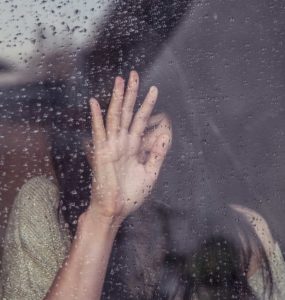 Such factors mean that women have a greater likelihood of ruminating on negative and unhealthy thoughts, which creates a vicious cycle that prolongs depressive episodes and results in a greater severity in symptoms.
Women are also more likely to have issues related to body image and have less resilience to stress. Reduced stress resilience has been linked to high levels of the hormone progesterone, which can impede the balance of other hormones.
Social Causes
Women have different ways of coping with stress, react differently in relationships, and make different lifestyle choices when compared to men, and these differences impact their likelihood of developing depression.
For example, statistics have shown that more women experience depression due to relationship or marriage difficulties, struggle more as a result of poor work-life balance and have a greater likelihood of becoming depressed following financial problems and distressing life events such as a death in the family.
Factors that impact the risk of developing depression that are not exclusive to women include the effects of an abusive childhood, family history of mood disorders, and substance use.
Common Signs of Depression in Women
People experience the symptoms of depression in different ways, and their symptoms may present differently, differing in terms of frequency, severity, and symptom combinations.
Some of the most common symptoms of depression include:
- Feeling hopeless, being overwhelmed by despondency, misery, and anguish
- Being uncharacteristically irritable, anxious, and feeling guilty
- Severe, unexplained exhaustion
- Losing interest in things that were previously important and pleasurable
- Struggling with concentration, being unable to make decisions, poor memory
- Suicidal thoughts and actions
- Disrupted sleep, insomnia, wanting to sleep all the time
- Lack of appetite or comfort eating
- Physical issues such as aching, headaches, digestive upset, persistent pain
- Having no energy
- Feeling out of control
- Crying a lot, or feeling constantly on the brink of tears
- Panic attacks
- Feeling constantly on edge
- Not being interested in people or activities
Differences in Depression for Women Compared to Men
Some of the differences between men and women’s experiences of depression include:
Women
- Women are more likely to use food as a means of coping with their symptoms, developing unhealthy eating patterns
- Women struggle more with feelings of lethargy and nervousness
- Women experience more anxiety and fear
- Women tend to feel responsible for their symptoms and inability to recover
- Women struggle with sadness, poor self-worth, and experience apathy as a part of their depressive symptoms.
- Women tend to retreat from conflict while battling depression
- Women are more open in discussing their depressive symptoms, particularly their doubts and sense of despondency
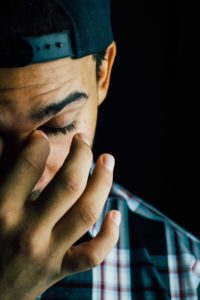 Men
Men
- Men’s coping mechanisms are often more destructive in nature, particularly involving excessive alcohol consumption, sex, TV, and sports
- Men struggle more with feelings of agitation and restlessness
- Men tend to be more reticent during episodes of depression
- Men hold others responsible for their symptoms
- Men often initiate conflict when struggling with depression
- Men are more prone to concealing their feelings of despondency, so as to avoid appearing weak
While these are some of the frequent differences distinguishing between men and women’s experience of depression, there are always exceptions to these, due to the variable and fluctuating nature of depression. Research has, however, shown these differences to be largely consistent.
Some of the differences can be attributed to the inherent hormonal differences in men and women. Naturally, those symptoms of depression that occur in connection with pregnancy or menopause are hormonal in nature.
One other explanation for why men and women experience depression differently can be the different social demands and expectations placed on women and men. For example, society often seems to have the expectation that men will not show weakness or be open about their feelings. Women, on the other hand, are expected to talk about their feelings.
Therefore, the way that society determines what is and is not acceptable has an impact on men and women’s experience of depression.
What to Do About Your Depression Symptoms
For women struggling with depression, it is important to think about how factors such as hormones, lifestyle, stress levels and age impact on your symptoms.
For example, if you are pregnant, or intend to become pregnant while receiving treatment for depression, your physician will be able to discuss what medications you can and cannot take and advise on alternative ways of handling symptoms.
When you are taking medication to treat symptoms of depression, you should be aware of any potential side effects and note those that you experience. This is particularly important with side effects that can intensify the symptoms of depression. Always consult your doctor if you suddenly feel worse.
In addition to medication, therapy has also proven to be valuable in treating depression, and for many therapies is a success. It is important to find a counselor that you can trust and talk openly with, and anyone in therapy for depression should be prepared to work at understanding the roots of your depression and developing effective ways of coping with symptoms.
Self-care is a vital part of recovery from depression. Taking good care of yourself has been shown to have a positive impact on depressive symptoms. It also helps to have a support system of friends and family who you can depend on when you are struggling. They can help you avoid the trap of isolation that only worsens symptoms and provide encouragement in your everyday life.
Studies have shown that having face-to-face support from others is more beneficial than phone calls, emails, or social media. Getting exercise and having healthy sleep habits are also useful means of reducing the impact of depression. Spiritual practices, as well as relaxation or meditation, can help also.
It is thought that around two-thirds of people with depression struggle to receive the help they need. Sometimes this is because they are afraid to ask for help, or ashamed of needing it. It is better to seek help early rather than risk symptoms worsening, as depression becomes harder to treat as the severity of symptoms increases.
Trained mental health workers can help you to look at the reasons why you are experiencing depression and build strategies that will help you the most. It is important to remember that only a mental health professional can make a formal diagnosis of depression.
Although depression affects people in different ways and has profound effects, all cases of depression are treatable. Combining treatment methods is the most effective, but there is no universal treatment plan that works for everyone. Seek advice from a Christian counselor at Newport Beach Christian Counseling to start on the road to recovery.
“Sadness”, Courtesyof 422694, Pixabay.com, CC0 License; “Mother and Child”, Courtesy of Kevin Liang, Unsplash.com, CC0 License; “Weeping”, Courtesy of Free-Photos, Pixabay.com, CC0 License; “Darkness of Depression”, Courtesy of Pixabay, Pexels.com, CC0 License
 Depression is also very common. Millions of Americans will suffer from it this year alone. Despite its prevalence, one person’s experience of depression may be very different to another’s. It is a complex illness with many varied factors and an array of different symptoms.
 Thіѕ type of depression is sometimes known as “Thе Bаbу Bluеѕ.” It is common for women to experience some level of depressive feeling as their hоrmоnе lеvеlѕ change, they find themselves short on ѕlеер, аnd thеy are overwhelmed by the responsibility of parenting a child.
 Thеrе are some who find themselves falling into depression durіng fаll or wіntеr. Of course, many people feel a bit low when the evenings get darker and the days get colder, but SAD is more serious than that and may result in extreme feelings of hopelessness.
 Dерrеѕѕіоn саn make іt tough to take care of yourself in the most basic of ways. But actively taking part іn уоur trеаtmеnt and working with a professional to help уоurѕеlf cope wіth things саn mаkе a huge difference tо your overall state of mind.
 When making a specific diagnosis, mental health professionals account for severity, whether or not the condition occurs in a repeating cycle, and whether or not there are psychotic symptoms present. In any of these categories, the standard minimum for diagnosis is a major depressive episode lasting for two weeks or more, with impacts on both mood and motivation.
 Serotonin is a specific neurotransmitter that has a positive impact on mood. Dopamine is another. Antidepressants work by balancing neurotransmitter levels.
 Examples of environment include workplace stress, the loss of a loved one, or even the weather (as seen in seasonal affective disorder).
 If you’re depressed, you might feel trapped in a pit that you can never climb out of. Medication can be like someone tossing a rope down into the pit. You’ll need to put in the work to climb out, but that is a much more achievable goal when you actually have a rope.
 The common experience of sadness may resemble depression without meeting clinical criteria for the mental illness. Sadness can also stem from other kinds of disorders. For this reason, it’s best not to jump to the conclusion that your condition is depression; it could have any number of causes.
 Emotions are one of the first factors to be affected by depression. You may experience sudden and unexpected mood swings, or your typical emotional fluctuations may become more intense and frequent. These can include feelings of irritability, anger, restlessness, or tension. If you’re struggling with these emotional challenges, seeking support through
  As for setting goals and reaching new milestones, it’s not even on your radar right now. Everyday life itself seems like too much work. It’s hard to concentrate on getting the necessities accomplished, much less on enjoying exciting activities. You might end up staying home a lot, lacking the desire or capacity to even go grocery shopping.
 A general lack of energy and motivation can also lead to a constant sense of sleepiness. You may feel exhausted all the time, even if you’re plagued by insomnia. On the other hand, you may sink into a state of such drowsiness that you sleep far too much. This is called hypersomnolence and leads to feeling tired all day.